


 Meghan Kelly
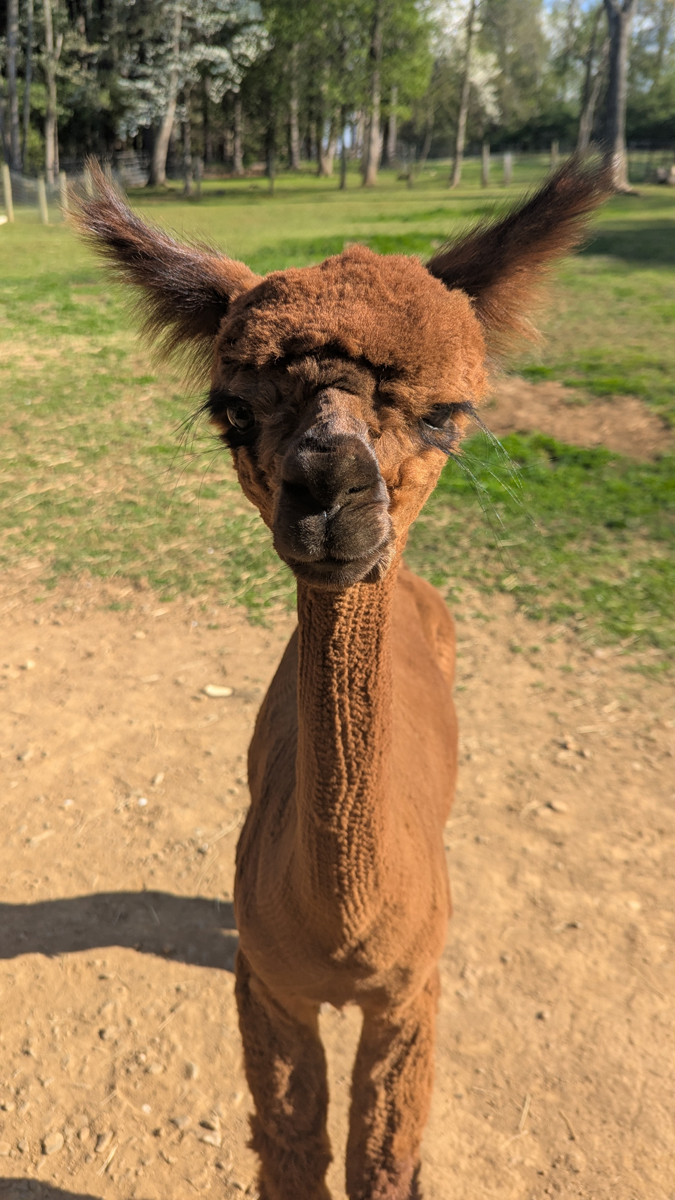
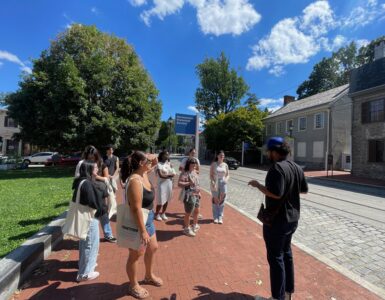
Textile Design students visited Trotterhill Alpacas farm over a series of sunny Friday afternoons this semester. A core tenet of textile design is understanding the fiber used in fabric construction. One favorite fiber is Alpaca; it’s as soft as cashmere, as warm as wool, and as luxurious as silk. Alpacas, as a farm animal, are people-friendly, docile, and full of personality. They love the sun but will seek the shade when it gets too warm. They love to eat grain out of one’s hand and will tolerate a gentle pet, but don’t want to be hugged by over-eager fiber lovers.
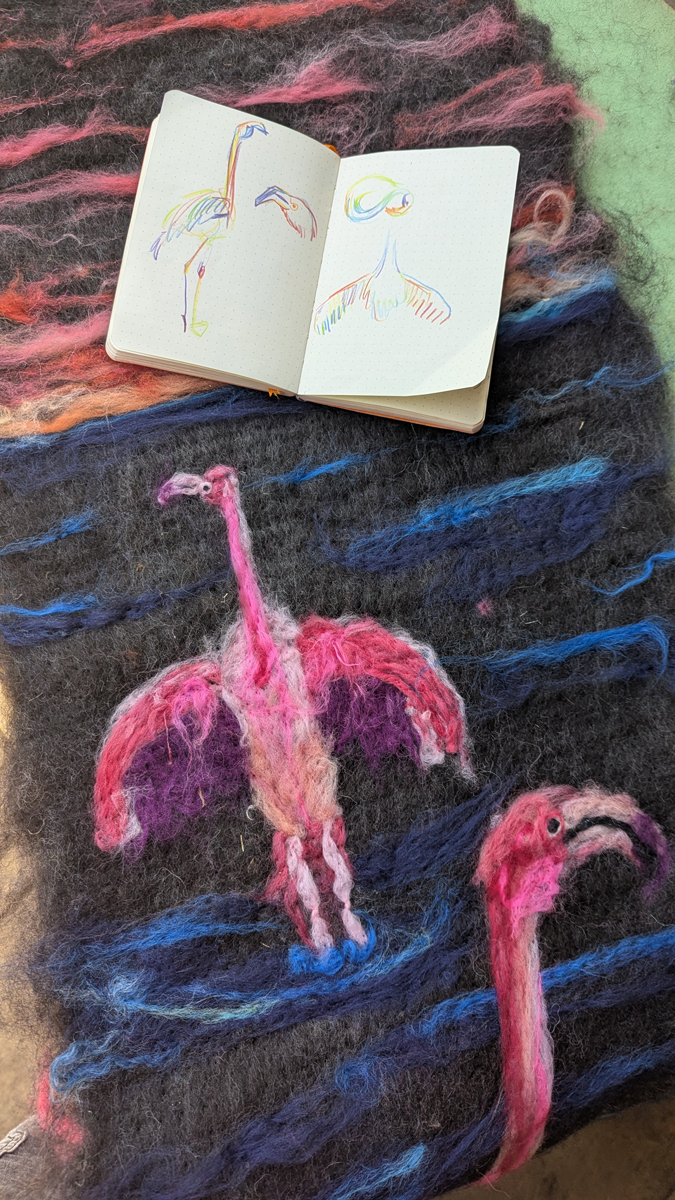
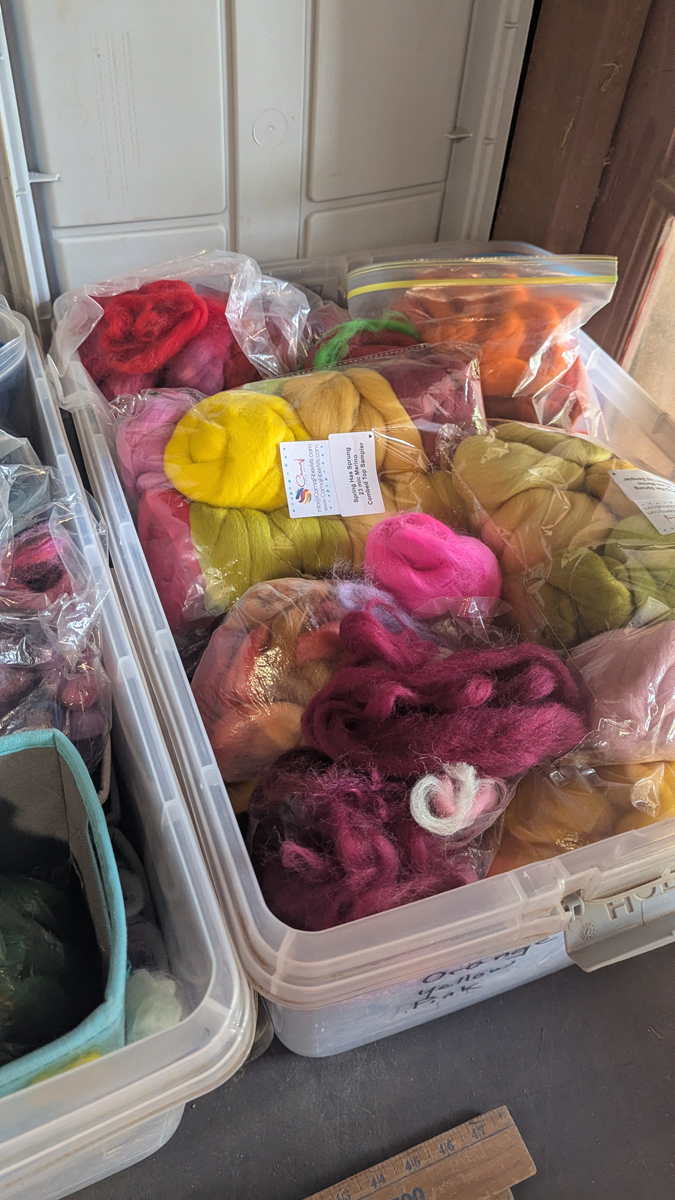
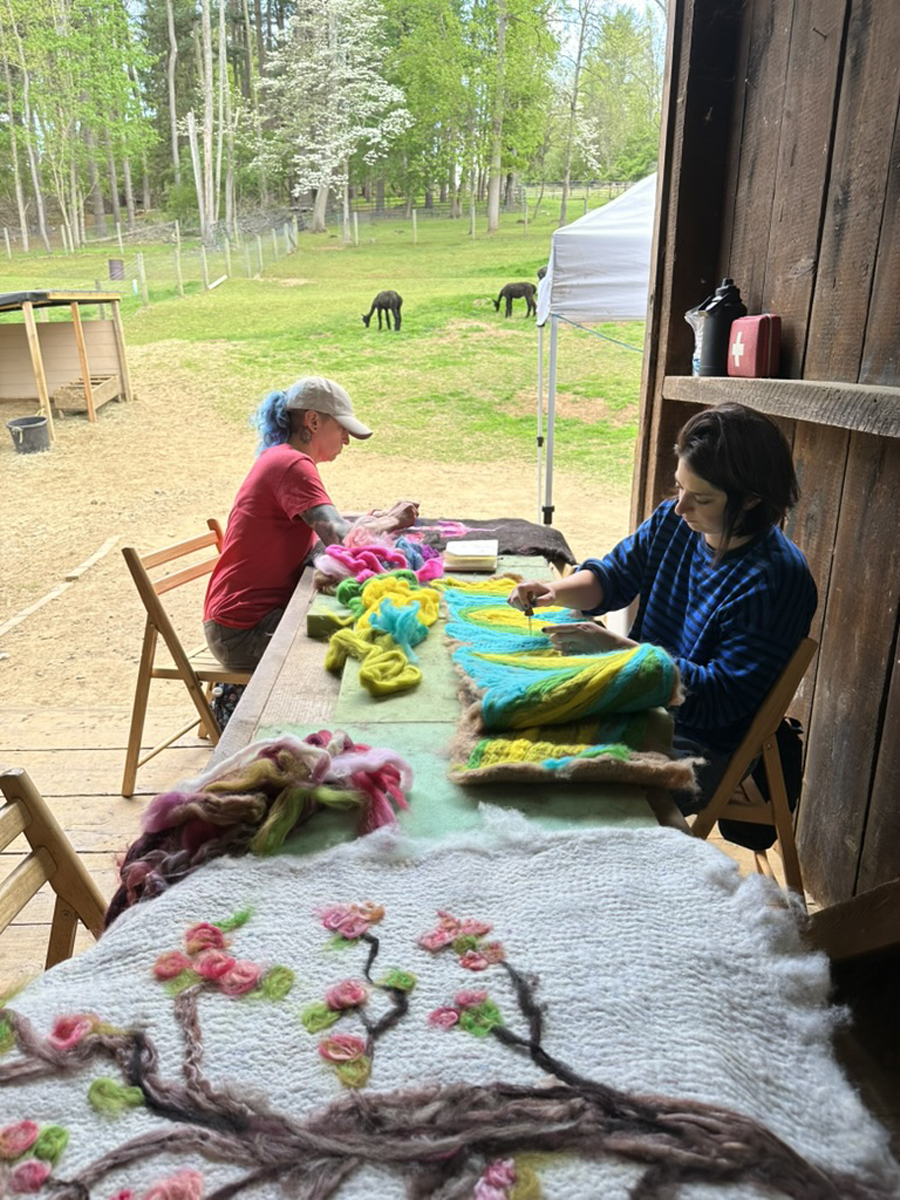
One of the farm’s offerings is a felting workshop. Pam, the owner, provides felted “canvases” made from sustainably sourced burlap and alpaca fiber in solid, natural colors and random sizes. A table with different-colored wool and alpaca batts is set up, and every student receives a piece of thick foam, a canvas, and a felting needle with a wooden handle. After that, the artists’ intuition takes over, and using the felting needle and various fluffs of different colors, they start to build their image in felt.
During the felting portion of the workshop, the open-front barn grows quiet as the students work; the alpacas and herding dogs graze or lie in the shade, and the sound of birds chirping in the distance becomes the afternoon’s soundtrack. It’s a much-needed, creative respite in a busy semester. However, beyond the relaxing atmosphere, it exemplifies Jefferson’s trademark Nexus Learning methodology, which blends theory with hands-on learning. Textile Design students learn the fundamentals of fiber, yarn, fabric construction, and surface design through a comprehensive series of courses scaffolded to develop a deep understanding of the concepts. By going out into the field, pardon the pun, they are able to see exactly where Alpaca fiber comes from and practice both surface design and non-woven fabric construction at once, using their own hands and vision.
The Alpaca field trip is a chance to shepherd the fiber from field to finished product in an afternoon; a small-scale replication of a larger, commercial process that brings us our consumer textiles, such as apparel and interior goods, like linens and rugs. It’s a powerful lesson hidden in a sunny, relaxing activity, and we can’t wait to do it again next year.









Add comment